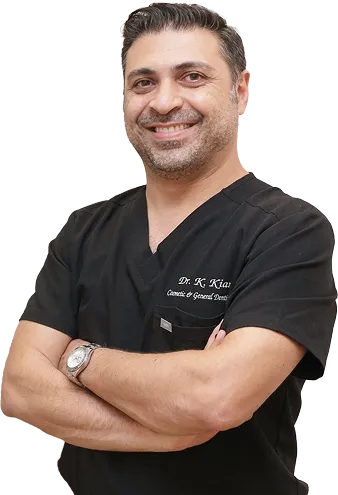


Reviewed by Dr. Kaivan Kiai, DDS · Updated October 2026
After dental surgery, choose cool or lukewarm, smooth foods that need little or no chewing, such as yogurt, applesauce, mashed potatoes, and soft scrambled eggs. Avoid very hot foods and drinks, and wait until numbness has worn off before chewing.1 After an extraction, skip straws and eat seedless smoothies with a spoon to help protect the blood clot.2
Your treating dentist’s instructions take priority over this guide. The appropriate texture and length of restriction depend on the procedure, the area treated, and how you heal. This guide covers meal planning after oral surgery, with separate advice for root canal treatment, which usually does not leave an extraction socket.
Here is the Quick Answer:
Start with the texture your dentist recommends, then use these principles to plan meals without putting unnecessary pressure on the treated area.
- Choose smooth foods first; add foods requiring light chewing only when permitted and comfortable.
- Include protein-rich options, rather than relying entirely on broth, pudding, or ice cream.
- Avoid hard pieces, seeds, crumbs, straws, and very hot drinks after an extraction.
- Follow procedure-specific restrictions after implants, bone grafts, and gum surgery, even if the area feels better.
- Contact your dentist for worsening pain, persistent bleeding, fever, or difficulty maintaining food and fluid intake
What to Eat after Dental Surgery, Day by Day
Use the table as a meal-planning framework, not a schedule you must advance through. The day ranges organize the guide; they are not universal clearance dates for the listed foods. Stay with an earlier texture if needed, and follow any longer restrictions from your surgeon.
Soft Food Choices by Recovery Stage
| Planning Stage | Food Options if Permitted | What to Keep in Mind |
|---|---|---|
| First 24 Hours | Smooth Yogurt, Applesauce, Pudding, Cooled Broth, or a Seedless Smoothie Eaten with a Spoon | Protect the Extraction Clot; Avoid Straws and Chewing while Numb.1, 2 |
| Days 2–3 | Smooth Mashed Potatoes, Soft Scrambled Eggs, Blended Soup, or Mashed Banana | Continue Soft Foods; Avoid Chewing on the Surgical Site.1, 2 |
| Days 4–7 | Soft Pasta, Flaky Boneless Fish, Soft Tofu, or Well-Cooked Vegetables if Light Chewing Is Comfortable | Remain on Smoother Foods if Needed; Do Not Advance against Your Surgeon’s Instructions.3 |
| Week 2 and Beyond | Gradually Broaden Texture as Permitted | Grafts and Other Surgical Sites May Still Need Protection; Comfort Alone Is Not Clearance.3 |
You do not need to eat every food in a row. Select foods you tolerate and can prepare to the required consistency.
Why a Soft Diet Matters while You Heal
Soft foods reduce the need to bite, tear, or grind food against healing tissue. After an extraction, avoiding disturbance of the socket helps protect the clot; after gum surgery, food choices should also protect the graft or stitches.2, 3
The goal is to keep eating adequately while respecting the surgical site. No individual food guarantees faster healing.
The Best Soft Foods to Eat after Dental Surgery
The useful foods from the original list are grouped below by what they contribute to a meal. Preparation matters: a food should be moist, free of hard pieces, and easy to manage at your current stage.
Protein-Rich Soft Foods
Protein helps the body repair tissue.4 Choose options with a texture you can tolerate, and check labels when comparing dairy alternatives or prepared drinks.
- Soft scrambled eggs without crisp edges.
- Plain Greek yogurt or smooth, blended cottage cheese.
- Silken tofu, blended into soup or a smoothie.
- Smooth hummus without whole chickpeas or seed toppings; omit lemon if it stings.
- Moist, flaky salmon or white fish, with every bone removed, once light chewing is appropriate.
Soft Grains and Starches
Mashed potatoes are an easy starting point. More textured choices belong later if your dentist wants you to avoid loose particles around an open socket.
- Smooth mashed potatoes without skins.
- Well-cooked oatmeal or cream of wheat, when permitted.
- Soft pasta cut into manageable pieces.
- Moist pancakes without browned crusts, nuts, or fruit chunks, when chewing is comfortable.
Skip coarse oats until textured foods are permitted.
Fruits and Vegetables
Use peeled, mashed, cooked, or blended produce. Remove skins, seeds, and fibrous pieces rather than assuming that blending makes every ingredient suitable.
- Unsweetened applesauce without chunks.
- Mashed banana or avocado.
- Peeled, very ripe peaches, mashed if needed.
- Smooth carrot, squash, or vegetable purée.
- Banana-based smoothies made without berries, chia, flax, or other small seeds.
Dairy and Cool Comfort Foods

Yogurt, kefir, pudding, and plain ice cream offer easy-to-manage textures. Smooth dairy foods and desserts can fit a soft diet, but they should be part of a varied menu.5
Choose plain, unsweetened varieties without added fruit chunks or granola.
Cool foods may feel soothing, but ice cream is not a treatment for swelling or pain. Choose it without nuts, hard chocolate, cookie pieces, cones, or toppings; let it soften if cold triggers discomfort.
Broths and Soups
Broth provides fluid, but its protein and energy content vary. Pair it with another food or choose a smooth soup containing blended beans, lentils, tofu, or another tolerated protein source.
Serve soups cool enough to eat comfortably. Avoid chunky garnishes and strong chili seasoning; acidic tomato soup may sting a sensitive mouth.
Later-Stage Soft Foods
Once your dentist permits more chewing, consider moist meatloaf without a firm crust or finely minced, tender chicken in sauce. Dry shredded meat, chewy deli slices, and crisp-edged pancakes are poor early choices, even when labeled “soft.”
Test the texture with a fork before serving. If it resists mashing, requires tearing, or scatters dry crumbs, choose something smoother.
Foods and Drinks to Avoid after Dental Surgery

Foods can be troublesome because of their hardness, loose particles, temperature, or irritation—not just whether they are easy to swallow. Use your procedure instructions to decide how long each restriction applies.
- Hard and crunchy foods: Chips, nuts, popcorn, crusty bread, and raw vegetables can press against or injure the treated area. Nuts and seeds can also lodge in an extraction wound.6
- Small seeds and loose grains: Avoid seeded berries, sesame, chia, and similar particles around an open socket. Keep rice and quinoa off the early menu if your extraction instructions restrict small particles; use smooth mashed potatoes instead.
- Sticky or chewy foods: Caramel, gum, jerky, and tough meat demand forceful chewing. Avoid them while protecting the wound or a temporary restoration.
- Spicy or acidic foods: Hot sauce, citrus, and strongly tomato-based dishes may sting. Set them aside if they irritate the area.
- Very hot foods and drinks: Hot coffee, tea, and soup can burn a numb mouth and are unsuitable immediately after extraction.1
- Straws and forceful spitting: Suction and vigorous mouth movements can disturb the extraction clot. Sip from an open cup and follow your dentist’s rinsing instructions.7
- Alcohol and fizzy drinks: Avoid alcohol during surgical recovery and follow your dentist’s or pharmacist’s instructions concerning prescribed medicines. Choose still water instead of carbonated drinks while the extraction site heals.2
- Smoking and vaping: Both can interfere with healing; smoking and vaping can reduce blood flow to the extraction site.7
How Your Diet Changes by Procedure
A soft-food list is only a starting point. An extraction socket, a new implant, a gum graft, and a root-canal-treated tooth need different types of protection.
After a Tooth Extraction or Wisdom Teeth Removal
Following a tooth extraction or wisdom teeth removal, protect the blood clot and avoid foods that lodge in the wound. Stay with soft or liquid foods until chewing becomes more comfortable, subject to your surgeon’s instructions.6 If several areas were treated, ask which areas you can safely use for chewing.
After Dental Implant Surgery

After dental implant placement, follow the restrictions for pressure on the implant and any temporary tooth. Soft foods may be needed while the surgical area heals; the permitted chewing load depends on the treatment plan.8 The dedicated guide to what to eat after dental implant surgery covers implant-specific eating.
After a Bone Graft
After bone grafting, avoid disturbing the site and use the soft foods your surgeon permits. Surface comfort does not confirm that the underlying graft has healed.9 The bone graft recovery guide covers healing and follow-up in more detail.
After Gum Surgery or a Gum Graft
Soft, mild foods help you avoid pressure on treated gum tissue. Do not brush or floss directly over a gum graft until your surgeon permits it, and do not resume crunchy foods just because soreness has improved.3 Discuss procedure-specific eating restrictions as part of your periodontal care.
After a Root Canal
Routine root canal therapy preserves the tooth and generally does not create an extraction socket. Wait until numbness wears off before chewing, and avoid biting on the treated tooth until your dentist has completed the necessary permanent restoration.10 See the root canal procedure and recovery guide for the broader treatment sequence.
Tips to Make a Soft Food Diet Easier
Prepare a small selection of meals before surgery so you are not trying to cook while tired or uncomfortable. Adjust these ideas to your allergies, dietary restrictions, and prescribed medical diet.
- Stock the basics: Yogurt, eggs, potatoes, bananas, tofu, and smooth soups offer variety without complicated preparation.
- Use smaller meals: If a full meal feels difficult, divide it into smaller portions across the day.
- Change the texture: Blend, mash, or slow-cook suitable ingredients; add liquid or sauce to prevent dryness.
- Let hot food cool: Check the temperature before eating.
- Keep seasoning mild: Leave out ingredients that sting.
- Sip fluids regularly: Use a cup rather than a straw after extraction.
- Include a protein source: Add yogurt or silken tofu to a smoothie, or blend suitable protein-containing ingredients into soup.4
For a simple menu, try smooth yogurt and mashed banana for breakfast, blended soup for lunch, and mashed potatoes with soft eggs for dinner. Change the choices to fit the texture you have been cleared to eat.
Keeping Your Mouth Clean while You Heal

Continue cleaning the unaffected teeth gently, using a soft brush, while protecting the surgical area. Avoid brushing directly over a fresh socket or graft until instructed; do not try to pick trapped food out with your fingers or a utensil.3, 7
After an extraction, rinsing is commonly avoided for the first 24 hours, with gentle warm saltwater rinses beginning afterward if instructed. Do not swish or spit forcefully, and follow the directions given for your particular procedure.1
Having ice cream does not mean you should immediately scrub the surgical site. Follow the same careful cleaning plan regardless of what you eat.
Returning to Normal Foods
When your dentist permits, start with foods requiring light chewing and use an untreated area where possible. Increase texture gradually rather than jumping straight to nuts, crusty bread, or tough meat.
Pay attention to how your mouth feels as you reintroduce different foods.
If a food causes pain, bleeding, or pulling at the site, stop and return to a softer option. After implants, grafts, or gum surgery, feeling comfortable does not override restrictions intended to protect healing tissue.3, 8
When to Call Your Dentist
Difficulty progressing beyond soft foods should be discussed if pain or other symptoms are interfering with recovery. Request advice promptly for:
- Severe, new, or worsening pain, particularly after initial improvement.
- Bleeding that does not stop with the pressure technique you were instructed to use.
- Swelling that continues to worsen or returns after improving.
- Fever, drainage, or a persistent bad taste or odor, especially with pain.
- Difficulty eating enough or maintaining fluid intake.6, 9
If symptoms are urgent or worsening, contact your treating clinician or reach out to our emergency dentist in Encino page and describe the procedure you had and the symptoms you are experiencing. Difficulty breathing or swallowing, significant swelling inside the mouth, or swelling affecting the eye requires emergency medical care.11
Surgical Care and Recovery Support in Encino with Dr. Kiai

Dr. Kaivan Kiai discusses dental conditions and treatment options with patients at Encino Dental Esthetics, taking clinical findings and patient goals into account.12
If you are considering tooth extraction, wisdom teeth removal, dental implants, or bone grafting, ask what you should eat, which areas to avoid chewing on, how to clean your mouth, and when follow-up is needed. Request clarification before leaving if any instruction is unclear.
If anxiety is making preparation difficult, mention it when arranging the visit; the guide to dental anxiety offers additional preparation tips.
Planning a procedure or unsure about your recovery diet? Request an appointment to discuss the next step. For urgent postoperative symptoms, contact the treating office directly rather than waiting for an online request to be reviewed. If prompt evaluation is needed, our emergency dentistry service can help assess the concern and determine the appropriate next step.
Sources
- University College London Hospitals — Dental Extractions: Post-Operative Instructions
- Mayo Clinic — Dry Socket: Symptoms and Causes
- Cleveland Clinic — Gum Graft Surgery
- MedlinePlus — Protein in Diet
- Cleveland Clinic — How to Follow a Soft Food Diet
- NHS — Wisdom Tooth Removal
- Cleveland Clinic — Tooth Extraction
- Mayo Clinic — Dental Implant Surgery
- Cleveland Clinic — Dental Bone Graft
- American Association of Endodontists — Root Canal Explained
- NHS — Dental Abscess
- Encino Dental Esthetics — Meet Dr. Kaivan Kiai