


Trying to stay on top of gum health often slips down the priority list when life gets busy, especially when subtle changes like bleeding or sensitivity start appearing. Early awareness and consistent daily care can help patients address gum-health concerns before they become more complex.
This guide reviews common toothpaste options and active ingredients that may support daily plaque control and gum health. It is intended for general education and does not replace an individual dental evaluation.

Here is the Quick Answer:
Toothpaste can support gum health by reducing plaque and inflammation, especially in early-stage gingivitis. However, its effectiveness depends on ingredients, consistency, and overall oral care habits.
For more advanced gum disease, toothpaste alone is not sufficient. Ongoing symptoms may require professional evaluation and targeted dental treatment.
What is gingivitis and gum disease?
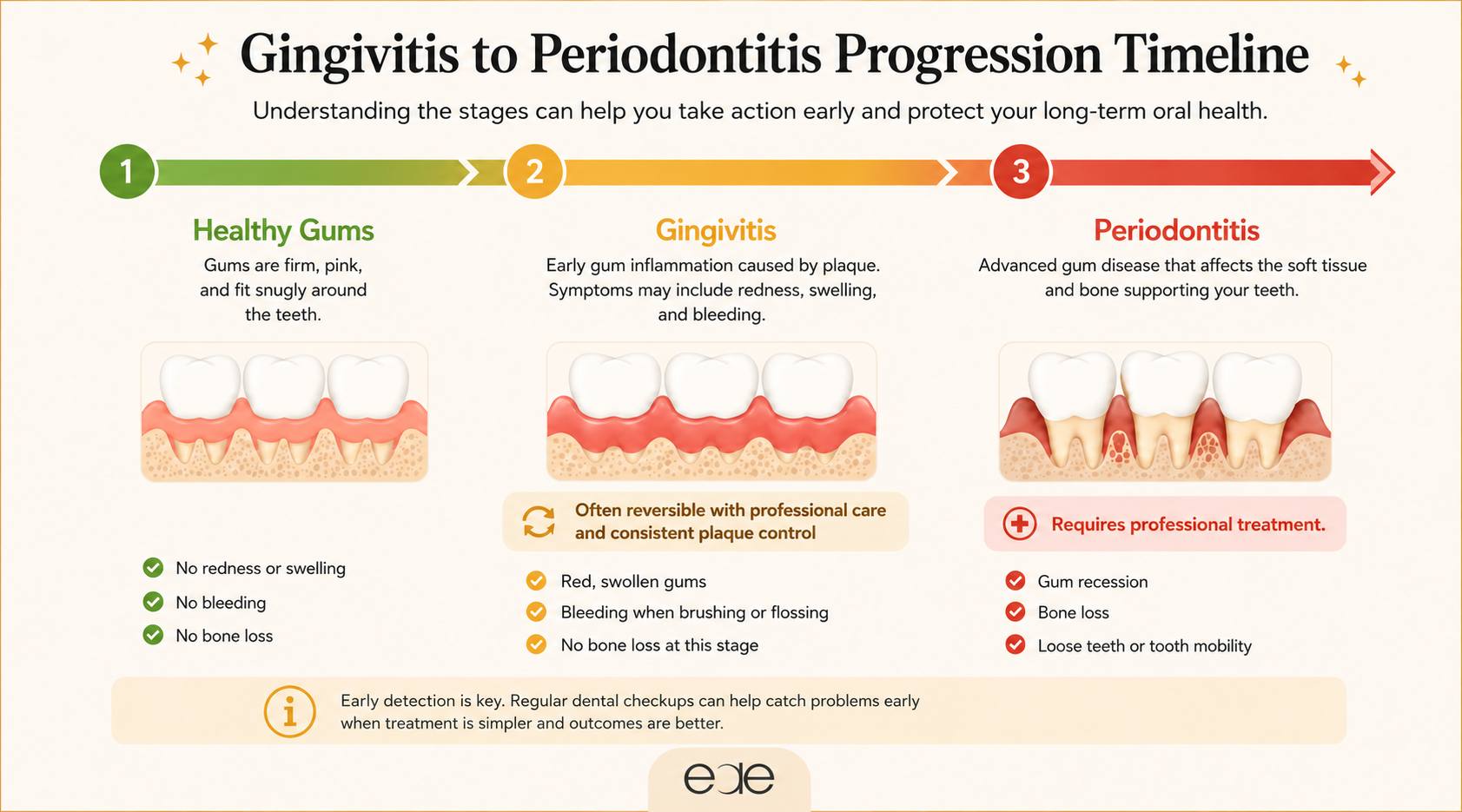
Gum disease generally develops in stages, starting with gingivitis and, if left unaddressed, may progress to periodontitis. Gingivitis is the earliest stage and is commonly linked to redness, swelling, and bleeding of the gums, especially during brushing or flossing.
If gingivitis is not managed, it can advance to periodontitis, involving deeper damage to the supporting structures of the teeth, including gum recession and bone loss. At this stage, the condition becomes more complex and may impact overall tooth stability.
Recognizing these differences early is important, as timely attention may help reduce progression risk and support better long-term gum health.
Common Causes and Symptoms of Gum Disease
Gum disease can develop due to multiple contributing factors, and symptoms may vary depending on the stage.
Causes of Gum Disease
Several factors can increase the risk of gum disease:
- Plaque and bacterial buildup
- Poor brushing and flossing habits
- Smoking or tobacco use
- Chronic conditions such as diabetes
- Certain medications that reduce saliva flow
- Hormonal changes, such as during pregnancy
- Nutritional deficiencies
- Genetics and family history
- Age-related changes in oral health
- Stress-related effects on immune response
Poorly fitted crowns, bridges, or dental restorations may also create plaque-trapping areas that increase gum disease risk.

Active Ingredients That Actually Help Gum Disease
Certain toothpaste ingredients are designed to target plaque, bacteria, and inflammation, which are key contributors to gum disease. Understanding how these ingredients function can help guide more informed choices as part of a broader preventive dentistry approach.
Stannous Fluoride
This is more than just a cavity fighter. Stannous fluoride has powerful antibacterial properties that not only prevent decay but also reduce gum inflammation and bleeding.
It forms a protective layer on teeth and may help reduce bacterial activity along the gumline, making it suitable for individuals with early signs of gingivitis. It is generally well tolerated, though some formulations may cause mild staining with prolonged use.
Xylitol
Xylitol is a sugar alcohol used in some oral care products. It may be a useful ingredient in certain products, particularly for people who prefer sugar-free options, but toothpaste containing xylitol should not be viewed as a replacement for fluoride toothpaste or professional gum care when gum disease is present.
Essential Oils
Some oral care products contain essential oils for flavor, freshness, or antimicrobial support. Their benefits vary substantially by formulation, and they should not be relied on as a substitute for evidence-based plaque control, fluoride toothpaste, interdental cleaning, or professional treatment when symptoms persist.
Aloe Vera
Aloe vera is included in some toothpaste formulations marketed for sensitive oral tissues. It may feel soothing for some users, but evidence for treating gingivitis or periodontal disease is limited. Product selection should focus first on clinically supported plaque-control and cavity-prevention benefits.
Cetylpyridinium Chloride (CPC)
Cetylpyridinium chloride (CPC) is an over-the-counter antimicrobial commonly included in select mouth rinses and toothpaste formulations designed for daily oral hygiene support. It helps reduce plaque buildup by limiting bacterial activity on tooth surfaces and interfering with the early stages of plaque maturation. CPC is typically used as part of routine preventive care for individuals managing early gum irritation or mild plaque accumulation.
When selecting oral care products, ingredients like CPC may be considered alongside quality indicators such as the ADA Seal of Acceptance, which signals that a product has been independently evaluated for safety and effectiveness.
Chlorhexidine Gluconate (CHX): Short-Term Dentist-Directed Support
Chlorhexidine gluconate is an antimicrobial ingredient that may be prescribed or recommended for short-term use in selected situations, such as active gingival inflammation or after certain periodontal procedures. It is not a substitute for brushing, interdental cleaning, or professional periodontal care, and it should be used only as directed because prolonged use may have drawbacks, including staining.
When comparing toothpastes, look for products with an ADA Seal of Acceptance that specifically lists the benefit you need, such as cavity prevention, plaque reduction, or gingivitis support. The Seal applies to individual products and their stated claims, not to an entire brand or ingredient category.
| Ingredient | Primary Role | May Be Relevant for | Availability | Important Note |
| Stannous Fluoride | Fluoride Protection with Anti-Plaque and Anti-Gingivitis Benefits in Certain Formulations | Early Gingivitis, Bleeding Gums, Cavity Risk | OTC | Check That the Individual Product Carries Appropriate Claims or an ADA Seal of Acceptance |
| Cetylpyridinium Chloride (CPC) | Antimicrobial Support in Some Oral-Care Formulations | Daily Plaque-Control Support | OTC | Benefits Vary by Formulation; More Common in Mouth Rinses than Toothpaste |
| Chlorhexidine Gluconate (Chx) | Short-Term Antimicrobial Support | Selected Active Inflammation Cases Under Dental Guidance | Dentist-Directed | Not Intended for Unsupervised Long-Term Daily Use |
| Xylitol | Sugar-Free Ingredient Used in Some Oral-Care Products | Product Preference and Dry-Mouth-Related Routines | OTC | Not a Replacement for Fluoride or Periodontal Treatment |
| Essential Oils | Flavor and Possible Limited Antimicrobial Support | Product Preference | OTC | Benefits and Tolerability Vary by Formulation |
| Aloe Vera | Comfort-Focused Ingredient in Some Formulations | Sensitive Oral Tissues | OTC | Limited Evidence for Gingivitis Treatment |
Best Toothpaste for Gingivitis and Gum Disease: Top 5 Picks
Product formulas, active ingredients, and availability can change. Always check the current label and choose a product that matches your oral-health needs and your dentist’s recommendations.
| Product | Best for | Key Ingredient or Feature | Limitations |
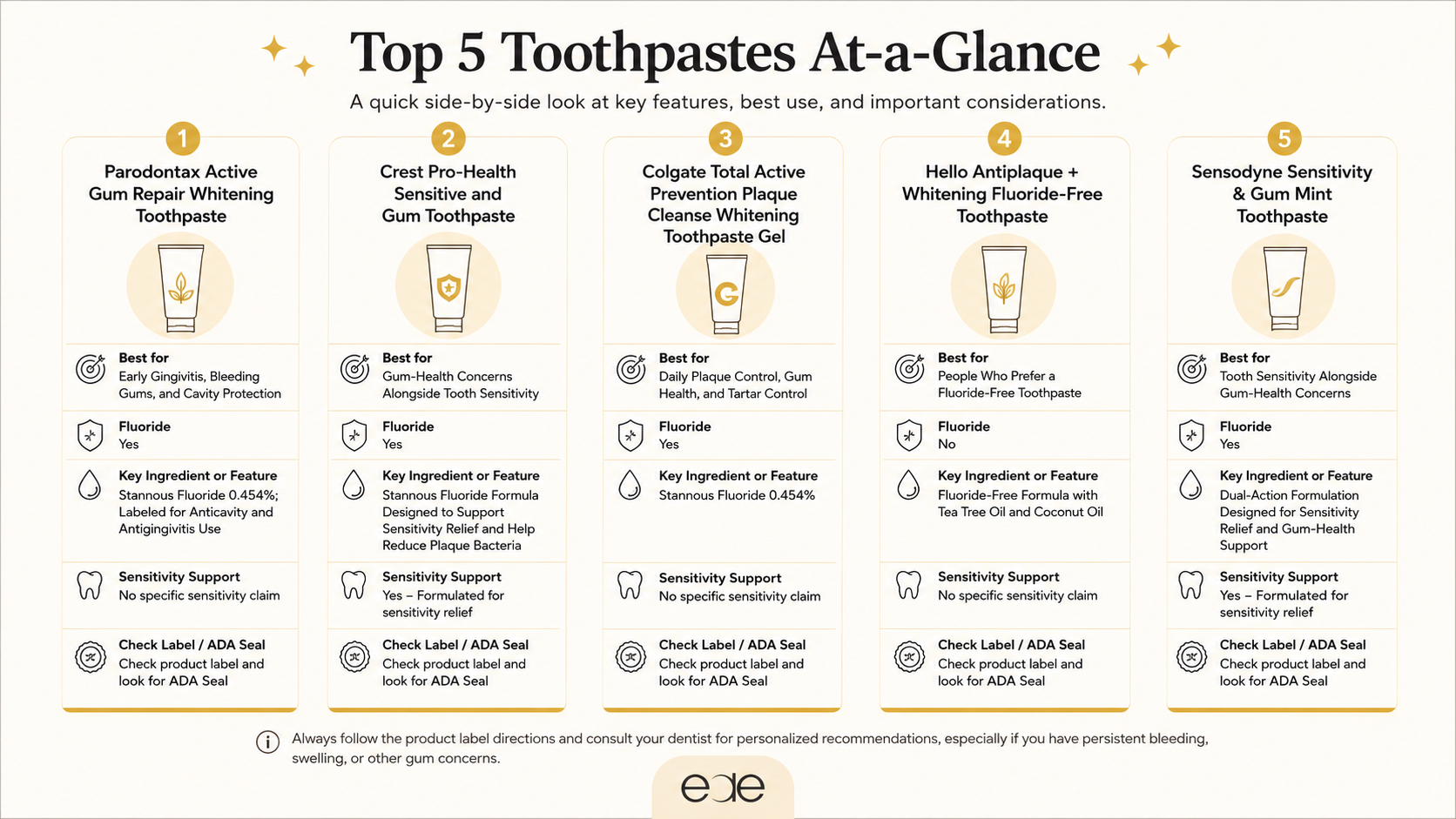
| Parodontax Active Gum Repair Whitening Toothpaste | Early Gingivitis, Bleeding Gums, and Cavity Protection | Stannous Fluoride 0.454%; Labeled for Anticavity and Antigingivitis Use | Strong Flavor May Not Suit Every User; Persistent Bleeding or Swelling Still Requires Dental Evaluation |
| Crest Pro-Health Sensitive and Gum Toothpaste | Gum-Health Concerns Alongside Tooth Sensitivity | Stannous Fluoride Formula Designed to Support Sensitivity Relief and Help Reduce Plaque Bacteria | Persistent Bleeding, Swelling, or Gum Recession Still Require Dental Evaluation |
| Colgate Total Active Prevention Plaque Cleanse Whitening Toothpaste Gel | Daily Plaque Control, Gum Health, and Tartar Control | Stannous Fluoride 0.454% | Whitening and Multi-Benefit Formulas May Not Be Ideal for Everyone with Sensitivity |
| Hello Antiplaque + Whitening Fluoride-Free Toothpaste | People Who Prefer a Fluoride-Free Toothpaste | Fluoride-Free Formula with Tea Tree Oil and Coconut Oil | Does Not Provide Fluoride Cavity Protection and Should Not Be Relied on to Manage Active Gingivitis or Periodontal Disease |
| Sensodyne Sensitivity & Gum Mint Toothpaste | Tooth Sensitivity Alongside Gum-Health Concerns | Dual-Action Formulation Designed for Sensitivity Relief And Gum-Health Support | Designed for Sensitivity and Gum Concerns; Persistent Bleeding, Swelling, or Loose Teeth Still Need Professional Evaluation |

Which toothpaste is best for bleeding gums?
There is no single “best” toothpaste for bleeding gums, as effectiveness depends on the underlying cause and individual response. In many cases, bleeding is linked to inflammation from plaque buildup, so formulations containing stannous fluoride are often considered due to their antibacterial action and ability to support gum health.
Toothpaste selection should take into account how often bleeding occurs, whether sensitivity is present, and the overall condition of the gums. If bleeding persists despite consistent oral care, it may indicate a need for professional evaluation, as ongoing gum bleeding is not typically expected in healthy conditions.
Stannous fluoride toothpastes are commonly used in early gum care routines, while earlier in this article, ingredients such as chlorhexidine gluconate (CHX) and cetylpyridinium chloride (CPC) were also discussed as agents that may be used in certain oral care products or under dental guidance to support plaque control considerations.
Natural vs Fluoride Toothpaste for Gum Disease
Natural toothpaste formulations may be appropriate for individuals with mild gum irritation or those who prefer plant-based ingredients. These options can support comfort and oral freshness, though their effect on plaque-related inflammation may be more limited depending on the formulation and severity of the condition.
Fluoride-based toothpaste is often more relevant when plaque levels are higher, bleeding gums are present, or there is an increased risk of cavities. Fluoride can support enamel protection and help control bacterial activity, making it a common choice in risk-based care.
The most appropriate option depends on the individual’s oral health condition and overall needs.
How to Brush Properly for Gum Disease
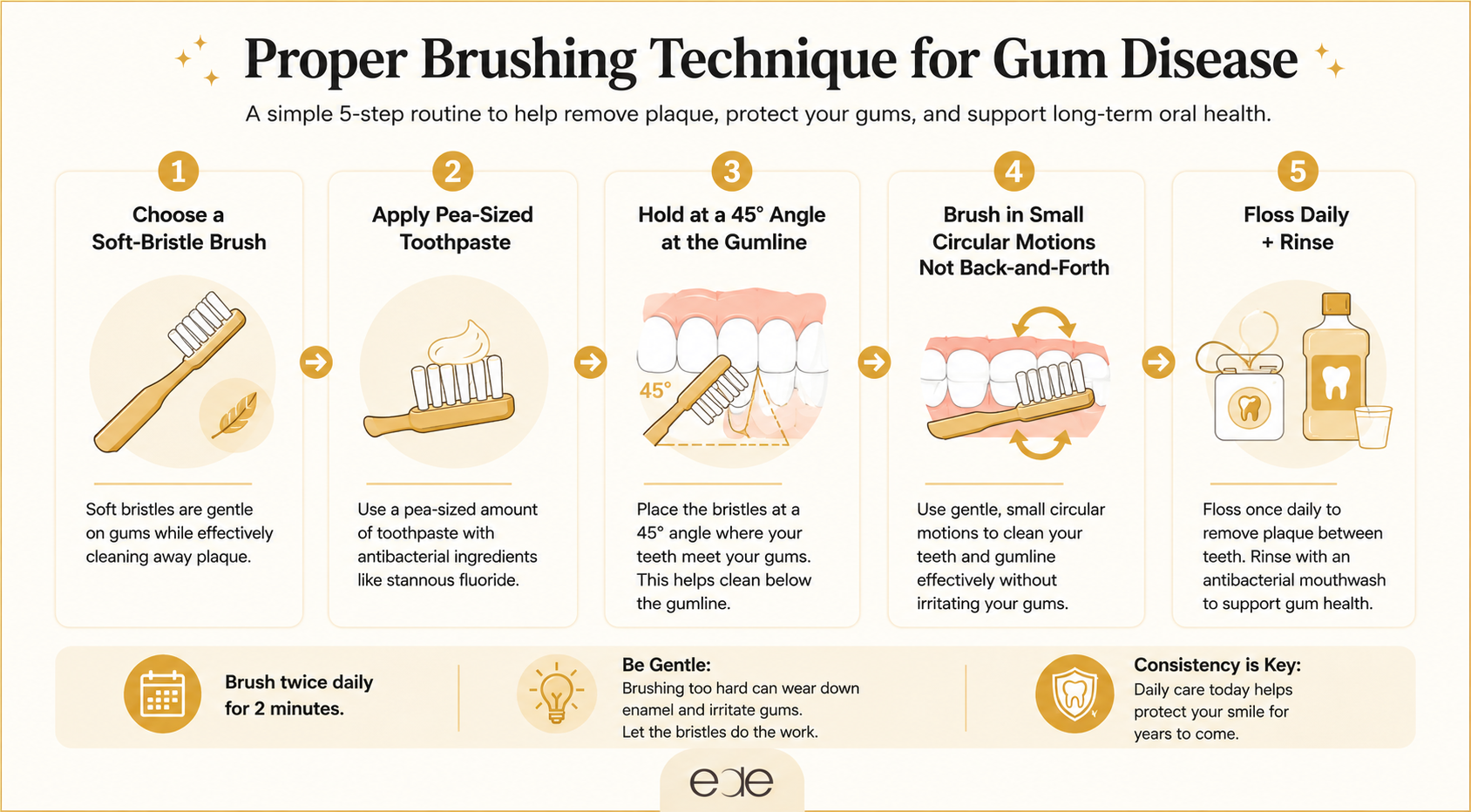
Proper brushing technique supports gum health as part of daily oral hygiene and may help reduce plaque accumulation when performed consistently.
- Soft-bristle toothbrush selection: A soft-bristle toothbrush is commonly recommended to help clean teeth and gumlines gently without excessive pressure on sensitive gum tissue.
- Toothpaste application (pea-sized amount): Using a pea-sized amount of toothpaste is generally sufficient for effective cleaning while maintaining control during brushing.
- 45° gumline angle positioning: Positioning the toothbrush at a 45° angle toward the gumline may help improve access to areas where plaque tends to accumulate.
- Gentle circular brushing motion (not scrubbing): Gentle circular movements are typically preferred over scrubbing, as they allow more controlled cleaning of tooth surfaces and gum margins.
- Flossing + daily frequency guidance: Flossing once daily is commonly recommended to help clean between teeth, along with brushing at least twice daily as part of routine oral care.

Can Toothpaste Reverse Gum Disease? When to See a Dentist
Toothpaste plays a supportive role in daily oral hygiene by helping reduce plaque buildup and manage early gingival inflammation. When used consistently alongside proper brushing and interdental cleaning, it can contribute to improved gum health, particularly in the earliest stages of gingivitis.
In early gingival inflammation, reduced bleeding or gum sensitivity may be seen as plaque control improves through consistent oral care. However, persistent bleeding, swelling, or changes in gum texture should be professionally evaluated to identify the cause and determine appropriate care.
Gingivitis is generally reversible with effective plaque control and professional care. Periodontitis is more complex because it involves damage to the tissues supporting the teeth and typically requires professional treatment, such as scaling and root planing, followed by ongoing periodontal maintenance.
When routine home care is not enough, a dentist may recommend additional treatment based on the cause and stage of the condition. In selected cases, this may include short-term antimicrobial rinses, professional periodontal treatment, or a more individualized home-care plan.
Dr. Kaivan Kiai, DDS, and the Encino Dental Esthetics team use these clinical principles to evaluate gum health concerns and determine whether symptoms can be managed with preventive care or require in-office treatment. A professional evaluation can help clarify the stage of gum disease and guide appropriate next steps.
If symptoms persist or progress despite consistent oral hygiene practices, schedule a dental consultation so treatment can be tailored to your individual clinical findings.

Conclusion
Toothpaste can play a meaningful role in supporting gum health by helping control plaque and reduce inflammation when used consistently. However, it is not a complete solution on its own, especially as gum disease progresses beyond early stages. Maintaining a consistent oral care routine, along with regular professional monitoring, is important for long-term gum health.
A professional evaluation at Encino Dental Esthetics can help determine whether your symptoms can be managed with preventive care alone or require more advanced periodontal treatment.